
Open-concept living, a hallmark of modern design, finds a unique expression in Japanese homes. This approach transcends mere spatial arrangement, reflecting deep-seated cultural values and aesthetic sensibilities. From the meticulous selection of materials to the artful integration of technology, Japanese open-concept homes offer a compelling blend of functionality and beauty. The principles behind these designs are rooted in centuries of tradition and a profound respect for nature.
This exploration delves into the nuanced aspects of Japanese open-concept homes, examining their distinctive design philosophies, materials, and spatial organization. We’ll analyze the interplay between tradition and innovation, examining how modern technology is seamlessly woven into these homes while maintaining their core cultural essence.
Defining Open Concept Japanese Homes
The open-concept design, a hallmark of contemporary living, finds a unique expression in Japanese homes. This approach transcends a mere spatial arrangement; it reflects a deep-seated cultural appreciation for natural light, minimalist aesthetics, and seamless integration with the surrounding environment. More than just a trend, it’s an intrinsic part of the Japanese architectural tradition, adapted and refined to suit modern needs and sensibilities.Japanese open-concept design isn’t merely about knocking down walls; it’s about carefully orchestrated spaces that encourage interaction and flow.
The emphasis is on creating a sense of spaciousness and tranquility, reflecting the philosophy ofwabi-sabi*, embracing imperfection and appreciating the beauty of simplicity. This philosophy directly influences the choice of materials, the interplay of light and shadow, and the subtle integration of nature into the living space.
Core Design Philosophies and Principles
Japanese open-concept homes are deeply rooted in traditional design principles. A central tenet is the concept of
- shoji* and
- fusuma*, sliding doors and screens, that can effectively divide or unify spaces. This flexibility allows for adaptable living arrangements and encourages blurring the lines between indoor and outdoor environments. The emphasis on natural light and ventilation is paramount, maximizing the connection with the surrounding landscape. Minimalist aesthetics and the use of natural materials like wood and bamboo further enhance the serene atmosphere.
The design prioritizes functionality and efficiency, making the most of every square foot.
Architectural Elements Contributing to Open Concept
The use of sliding doors and screens,
- shoji* and
- fusuma*, is central to creating an open-concept design. These elements, historically employed to divide rooms, are now often used to delineate spaces fluidly, rather than rigidly. The careful use of natural light through large windows, strategically placed to maximize views of the surrounding gardens or courtyards, is another defining feature. This integration of nature is often achieved through Japanese gardens, which are integrated into the home’s design, blurring the lines between indoors and outdoors.
A characteristic feature is the minimalist use of furniture, emphasizing the space itself. The use of low-profile furniture and multifunctional items reduces visual clutter, fostering a sense of spaciousness and tranquility.
Typical Room Layouts
A typical open-concept Japanese home often features a central living area, seamlessly connecting the kitchen, dining, and relaxation zones. The kitchen, frequently open to the living area, incorporates elements of Japanese minimalism, often featuring sleek, minimalist cabinetry and counter spaces. The dining area might be integrated with the living space, using a low table or counter as a focal point.
Bedrooms are often integrated with the main living area in a way that respects privacy. They might incorporate sliding doors that can be closed to create a sense of seclusion, or they might be located in separate wings of the home, while still connected visually to the main living area. In many cases, an outdoor patio or garden is seamlessly integrated into the living space, further emphasizing the home’s connection with nature.
Materials and Aesthetics
Open-concept Japanese homes, renowned for their minimalist aesthetic and harmony with nature, often employ a specific palette of materials and textures. These choices are deeply rooted in Japanese design principles, prioritizing natural elements and sustainable practices. The careful selection of materials contributes significantly to the overall atmosphere of tranquility and spaciousness, a defining characteristic of these homes.The materials and aesthetic considerations of Japanese open-concept homes reflect a deep-seated cultural appreciation for natural beauty and the ephemeral nature of life.
This manifests in the use of light, airy spaces, with an emphasis on natural light and ventilation. The emphasis on natural materials underscores a commitment to sustainability and a desire to create a living space that resonates with the surrounding environment.
Common Materials
The construction of open-concept Japanese homes frequently utilizes a range of natural materials. Wood, often in its raw, unpolished state, is a prominent choice. This can include various types of timber, such as cedar, fir, and cypress, known for their durability and aesthetic appeal. Bamboo, with its strength and unique texture, is another frequently encountered material. Furthermore, natural stone, such as granite or slate, is occasionally used for accents or flooring.
The prevalence of these materials reflects a commitment to eco-friendly construction and a preference for sustainable resources.
Aesthetic Considerations
Color palettes in Japanese open-concept homes often lean towards natural tones, mimicking the hues of the surrounding landscape. Earthy colors like beige, light gray, and muted greens are prevalent, fostering a sense of calm and serenity. The use of natural light is maximized, minimizing the need for artificial lighting and enhancing the sense of spaciousness. Texture plays a vital role, with the rough, warm texture of natural wood often juxtaposed with the smooth, cool surface of polished stone or bamboo.
Comparison with Other Architectural Styles
Compared to Western architectural styles, Japanese open-concept homes exhibit a marked preference for natural materials. Western designs frequently incorporate a wider range of synthetic materials and bold colors, often emphasizing a more dramatic and assertive aesthetic. The emphasis on natural light and ventilation in Japanese homes contrasts with some Western designs that might prioritize indoor lighting schemes. The minimalist approach and use of space in Japanese homes often contrasts with Western designs which might incorporate more decorative elements or bolder color schemes.
Material Visual Impact
| Material | Visual Impact |
|---|---|
| Wood (Cedar, Fir, Cypress) | Warm, natural, durable; often showcases the grain’s beauty. Provides a grounding, inviting feel. |
| Bamboo | Strong, versatile, unique texture; often adds a touch of exoticism, whilst also promoting a sense of lightness. |
| Natural Stone (Granite, Slate) | Cool, durable, and grounding; often used for accents or flooring, adding a touch of sophistication and visual interest. |
| Natural Colors (Beige, Light Gray, Muted Greens) | Calming, serene, and harmonious with nature; creating a peaceful ambiance. |
Spatial Organization and Flow
Japanese open-concept homes prioritize a seamless flow of space, often prioritizing visual connection between interior and exterior environments. This approach fosters a sense of spaciousness and tranquility, deeply rooted in Japanese aesthetics. The design philosophy emphasizes a harmonious relationship with nature, evident in the use of natural light and materials that complement the surrounding landscape.The organization of space in these homes often mirrors the concept of “ma,” the subtle empty space that separates objects and creates a sense of openness.
This philosophy manifests in the use of minimal furniture and strategically placed partitions, creating a feeling of airy freedom. The emphasis on natural light further enhances the sense of spaciousness and connection to the environment.
Natural Light Integration
Natural light plays a crucial role in shaping the ambiance of open-concept Japanese homes. Large windows and sliding glass doors are common, allowing abundant sunlight to flood the interior spaces. This approach not only brightens the rooms but also visually connects the interior with the surrounding gardens or landscapes. The strategic placement of these openings maximizes the amount of natural light entering the home, minimizing the need for artificial lighting during the day and creating a brighter, more welcoming atmosphere.
The soft, diffused light filtering through the windows often creates a calming and serene environment.
Partitions and Dividers
Partitions and dividers, often made of shoji screens or sliding panels, are integral to maintaining privacy and defining spaces within the open concept. These elements offer a subtle separation without obstructing the flow of the space. Shoji screens, with their translucent nature, allow light to filter through while maintaining a degree of privacy. The ability to open and close these partitions dynamically adjusts the layout and allows for flexible usage of the space.
Sliding doors, often made of wood or glass, further contribute to this flexibility.
Floor Plan Example: Small Open Concept Japanese Home
| Area | Dimensions (approximate) | Description |
|---|---|---|
| Living/Dining Area | 10m x 5m | Open space featuring a low-profile dining table and a minimalist sofa arrangement. Large windows maximize natural light and provide views of the garden. |
| Kitchen | 3m x 3m | Open kitchen design with a minimalist countertop and storage. A breakfast bar provides a separation between the kitchen and living areas, but maintains a sense of connection. |
| Bedroom | 4m x 3m | Located at the back of the house, utilizing a sliding shoji screen to separate it from the living space. A futon or a small bed would be used. |
| Bathroom | 2m x 2m | Compact bathroom with a small sink and toilet. The use of natural materials and lighting will make it feel spacious. |
| Garden/Outdoor Space | Variable | A small garden area is an integral part of the home, providing a natural extension of the living space. |
This floor plan design prioritizes functionality and visual appeal. The use of shoji screens, or alternatively, sliding doors, allows for flexibility in the layout and the creation of more intimate spaces when needed. The strategic use of natural light maximizes the sense of openness and connection to the outdoors. The small size of the home encourages a thoughtful and organized layout.
Furniture and Functionality
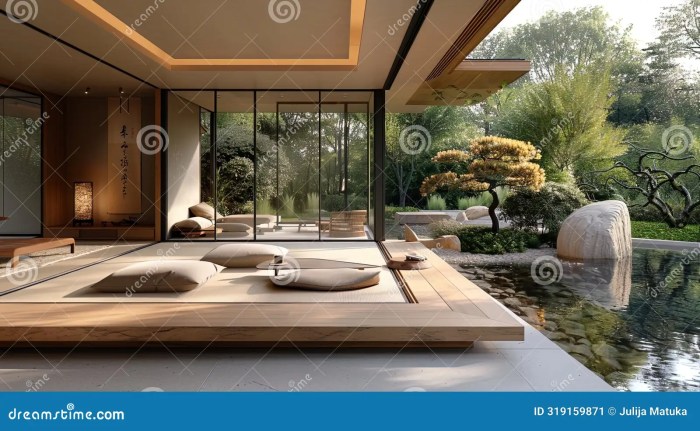
Japanese open-concept homes prioritize a sense of spaciousness and connection. Furniture choices reflect this, emphasizing minimalism and multi-functionality. This approach seamlessly integrates living, dining, and working areas, fostering a dynamic and inviting atmosphere. The selection of furniture is crucial in achieving the desired aesthetic and functionality.The core principle is to maximize space and minimize visual clutter. This often translates to pieces with clean lines, light materials, and versatile designs.
Furniture is not just for use; it is a part of the overall design narrative, contributing to the harmony of the home.
Typical Furniture Styles
Japanese furniture traditionally employs natural materials like wood, often in light tones. Minimalist designs are prevalent, focusing on functionality over ornamentation. Low seating, such as tatami mats or cushions, are common, promoting a relaxed and informal atmosphere. The use of sliding doors and partitions further contributes to the flexibility of space, enabling adaptable layouts. The prevalence of low furniture height and the use of light-colored wood and fabrics are consistent with the cultural preference for natural elements and open spaces.
Principles of Arrangement
The open concept necessitates furniture arrangements that encourage seamless flow. Pieces are often strategically positioned to create visual divisions or zones without physically obstructing the space. For example, a low table, separating the dining and living areas, creates a visual demarcation without hindering movement. Carefully chosen furniture layouts contribute to the open concept, promoting a sense of connection and freedom.
These considerations extend to the placement of storage solutions, ensuring they complement the overall design and don’t overwhelm the visual landscape.
Functionality and Multi-Purpose Use
Japanese furniture is often designed for multiple uses. Storage ottomans, for example, can serve as seating, footrests, and storage units. Built-in shelving and cabinetry are common features, maximizing space while maintaining a clean aesthetic. This approach encourages versatility and efficient use of the available space. Modular furniture systems, with components that can be rearranged, offer further adaptability, enabling the homeowner to adjust the layout as needs change.
Influence on Ambiance
The choice of furniture profoundly impacts the overall ambiance of the open concept home. Light-colored woods and natural fibers contribute to a serene and airy feel. The use of natural light, enhanced by the strategic placement of furniture, further amplifies the space’s openness. Minimalist designs, avoiding ornate details, contribute to a sense of calm and tranquility. By selecting furniture that complements the home’s aesthetic and functionality, homeowners can create a space that truly reflects their lifestyle and preferences.
Light and Ventilation
Open-concept Japanese homes prioritize natural light and ventilation, creating a seamless connection with the surrounding environment. This emphasis on natural elements fosters a sense of tranquility and promotes well-being, distinguishing these spaces from more traditionally designed homes. The thoughtful integration of light and air enhances the overall aesthetic and functionality of the living areas.Maximizing natural light and airflow is crucial in open-concept Japanese homes, not just for aesthetic appeal, but also for energy efficiency and occupant comfort.
Strategically placed windows and innovative ventilation systems reduce reliance on artificial lighting and cooling, leading to lower utility bills and a smaller environmental footprint. These considerations are central to the philosophy of sustainability and mindful design that characterizes these homes.
Natural Light Strategies
Natural light is a fundamental element in Japanese aesthetics. The abundance of light is often achieved through large, strategically positioned windows. These expansive windows allow natural light to penetrate deeply into the home, illuminating the interior spaces and minimizing the need for artificial lighting during the day. Floor-to-ceiling windows are common, maximizing views and light penetration. Skylights are also employed in certain designs to bring light into upper floors or areas with limited natural light access.
Light-colored walls and floors further amplify the impact of natural light, reflecting and diffusing it throughout the space.
Ventilation Methods
Efficient ventilation is just as critical as ample natural light. Traditional Japanese methods, like shoji screens and sliding doors, allow for cross-ventilation, creating a gentle and constant flow of air. This method enhances comfort and reduces the need for mechanical ventilation systems. In modern designs, this is often coupled with carefully planned openings and strategically positioned vents, optimizing air circulation and preventing stagnant air.
Additionally, the use of passive cooling techniques, such as courtyards and strategically placed greenery, further contribute to optimal ventilation.
Innovative Approaches to Light and Air
Contemporary open-concept Japanese homes often incorporate innovative approaches to natural light and ventilation. These designs often feature roof gardens or vertical gardens, which, in addition to adding aesthetic appeal, help regulate temperature and humidity, improving ventilation. Modern interpretations of traditional Japanese techniques, such as utilizing bamboo or shoji screens, create unique shading and ventilation systems. This approach reduces reliance on artificial lighting and air conditioning, contributing to energy efficiency and sustainability.
Integration of natural elements, like water features, adds to the overall atmosphere and helps regulate air temperature.
Table: Light and Air Management Methods
| Method | Description | Impact |
|---|---|---|
| Large windows | Expansive windows maximize natural light penetration and views. | Increased natural light, enhanced visual connection with the outdoors. |
| Skylights | Bring natural light into upper floors or areas with limited natural light access. | Improved light distribution, reduced reliance on artificial lighting. |
| Shoji screens and sliding doors | Allow for cross-ventilation and natural air flow. | Enhanced air circulation, reduced energy consumption for cooling. |
| Passive cooling techniques (courtyards, greenery) | Strategically placed features to regulate temperature and humidity. | Improved comfort, reduced reliance on air conditioning. |
| Light-colored surfaces | Reflect and diffuse natural light throughout the space. | Increased light penetration, reduced glare, visually expanded spaces. |
Culture and Tradition
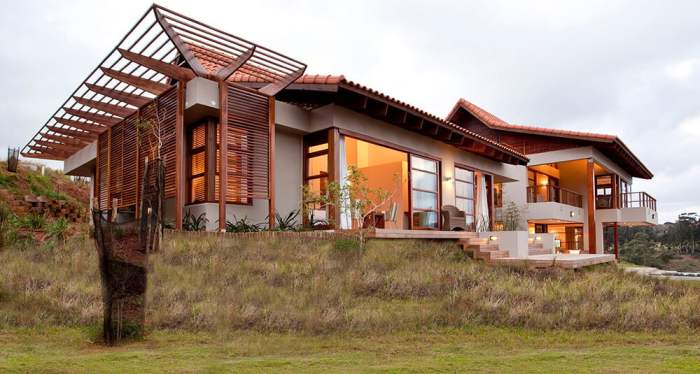
Japanese open-concept homes, while modern in their layout, deeply reflect centuries of cultural and aesthetic traditions. The emphasis on harmony with nature, respect for space, and a minimalist approach are key elements woven into the fabric of these designs. These principles transcend mere aesthetics, influencing the very spatial organization and functionality of the home.Japanese culture prioritizes a sense of tranquility and interconnectedness, which often manifests in the design of their living spaces.
The seamless integration of indoor and outdoor environments, a cornerstone of many Japanese homes, reflects a profound respect for nature and the desire to create a harmonious coexistence between the built and natural world.
Influence of Traditional Japanese Aesthetics
Japanese aesthetics, deeply rooted in the principles of 侘び寂び (wabi-sabi), influence the spatial organization and flow of open-concept homes. This philosophy embraces imperfection, asymmetry, and the beauty of natural materials, contributing to a sense of serenity and understated elegance. The careful selection of materials and the intentional use of light and shadow all contribute to this aesthetic, shaping the overall experience of the living space.
Integration of Traditional Elements
Traditional Japanese elements are frequently incorporated into open-concept designs. Tatami mats, often used for flooring, maintain a connection to traditional Japanese living spaces. The use of Shoji screens, for instance, allows for light and ventilation while maintaining privacy and a connection to the outdoors. Furthermore, the use of sliding doors (fusuma) and shoji screens enhances the flexibility of space and allows for adaptable room divisions.
Minimalism in Open Concept Design
Minimalism, a core principle of Japanese design, is evident in open-concept homes. The uncluttered spaces emphasize the beauty of simplicity and functionality. A strong preference for natural materials, such as wood and bamboo, and the avoidance of excessive ornamentation contribute to the overall minimalist aesthetic. This approach reduces visual clutter, fostering a sense of calm and serenity.
Furnishings are carefully chosen for both their function and aesthetic appeal, avoiding unnecessary additions.
Impact on Spatial Organization and Flow
The principles of Japanese design, especially the concept of ma (space), profoundly impact the spatial organization and flow of open-concept homes. The intentional use of negative space, or empty areas, creates a sense of spaciousness and allows for a natural flow between different areas of the home. This approach emphasizes the importance of visual connections and a harmonious relationship between the interior and exterior.
Technology Integration
Open-concept Japanese homes, renowned for their minimalist design and seamless flow, are increasingly embracing technology to enhance functionality and the overall living experience. Smart home features and integrated appliances are transforming these spaces, creating homes that are not only aesthetically pleasing but also highly responsive to the occupants’ needs. This integration reflects a broader trend toward technological sophistication in residential design, with Japanese homeowners seeking solutions that blend seamlessly with their traditional values.Technological integration in Japanese open-concept homes often prioritizes subtlety and unobtrusiveness.
This philosophy extends to the integration of smart home systems, which are designed to operate almost invisibly, enhancing comfort and convenience without disrupting the aesthetic harmony of the space. The integration aims to improve daily life through automation and efficiency, a core aspect of Japanese culture’s emphasis on practicality and ease of use.
Smart Home Features
Japanese homeowners are adopting smart home systems to automate various aspects of their daily lives. These systems typically include voice-activated assistants for controlling lighting, temperature, and entertainment. Integrated security systems, often with facial recognition capabilities, provide added safety and peace of mind. Smart appliances, like refrigerators with touchscreen interfaces and ovens with preset cooking programs, streamline kitchen tasks.
Appliance Integration
Smart appliances, particularly in the kitchen, are becoming commonplace. Refrigerators with integrated cameras and touchscreens allow for inventory management and recipe browsing. Ovens with smart controls and precision temperature adjustments ensure consistent and efficient cooking. These appliances often communicate with other smart home systems, offering a unified and intuitive experience. The incorporation of smart cooking technology reflects a growing desire for convenience and efficiency in daily routines.
For example, a smart oven might automatically adjust cooking times based on the type of food and its weight, reducing energy consumption and maximizing cooking results.
Future Technology Integration
The potential for future integration is significant. Advancements in robotics, AI-powered assistants, and augmented reality could further enhance the experience within open-concept Japanese homes. Imagine a home where robots perform basic maintenance tasks, or an AI assistant optimizes energy consumption based on occupancy patterns. Augmented reality could create interactive experiences that enhance the living space, overlaying information or entertainment onto the environment.
These technologies could offer personalized experiences and create spaces that adapt to the needs of the residents. For example, a virtual concierge could handle tasks like scheduling appointments, ordering groceries, or managing home maintenance. Such systems are not just about convenience; they’re about creating a home that anticipates and responds to the needs of its inhabitants.
Sustainability and Eco-Friendliness
Japanese open-concept homes prioritize sustainability, reflecting a deep-rooted cultural appreciation for harmony with nature. This commitment extends beyond aesthetics, influencing the choice of materials, construction methods, and energy management. A core tenet of these designs is minimizing environmental impact throughout the home’s lifecycle.Japanese architects and homeowners are increasingly incorporating sustainable principles into open-concept designs, from the selection of materials to the home’s energy efficiency.
This commitment is driven by a desire for long-term environmental responsibility, reflecting the nation’s proactive stance on climate change and resource conservation.
Sustainable Materials and Construction Techniques
The selection of building materials plays a crucial role in a home’s environmental footprint. Japanese homes often utilize locally sourced, renewable materials whenever possible. Examples include bamboo, reclaimed wood, and natural stone. These materials are not only aesthetically pleasing but also contribute to a lower carbon footprint compared to materials derived from heavily processed manufacturing. Construction techniques frequently incorporate passive design strategies, such as maximizing natural light and ventilation, minimizing energy consumption.
This approach is essential in achieving sustainable and environmentally responsible construction.
Energy Efficiency in Japanese Homes
Minimizing energy consumption is a key element of sustainability in Japanese open-concept homes. Advanced insulation techniques are frequently employed to reduce heat loss and gain, promoting energy efficiency. The integration of energy-efficient appliances and lighting systems further contributes to the home’s overall sustainability profile. This emphasis on energy efficiency reflects the commitment to reducing the home’s environmental impact and lowering utility bills.
Solar panels, for instance, are a common sight on Japanese homes, signifying a proactive effort towards renewable energy sources.
Comparison of Sustainable Building Practices
| Building Practice | Description | Environmental Impact |
|---|---|---|
| Passive Design | Maximizing natural light and ventilation, minimizing energy consumption. | Reduces reliance on artificial lighting and heating/cooling systems. |
| Local Materials | Utilizing locally sourced, renewable materials. | Reduces transportation emissions and supports local economies. |
| Reclaimed Materials | Using salvaged or repurposed materials. | Reduces waste and conserves resources. |
| Advanced Insulation | Implementing techniques to reduce heat loss and gain. | Minimizes energy consumption for heating and cooling. |
| Energy-Efficient Appliances | Using appliances with high energy efficiency ratings. | Reduces energy consumption and associated emissions. |
| Renewable Energy Sources (e.g., Solar Panels) | Integrating renewable energy sources into the home’s design. | Reduces reliance on fossil fuels and lowers carbon emissions. |
Privacy Considerations in Open Spaces
The allure of open-concept living, especially prevalent in modern Japanese homes, often clashes with the need for personal space. This inherent tension necessitates careful planning and execution to ensure comfort and privacy within the expansive living areas. The Japanese aesthetic, deeply rooted in respect for personal space and tranquility, provides a valuable framework for addressing this challenge.Maintaining a sense of privacy in open-concept designs requires a nuanced approach that goes beyond simply adding walls.
The key lies in strategically employing design elements that create visual and acoustic barriers, while still allowing for the desired sense of spaciousness and connectivity. This involves understanding how light, materials, and spatial organization can effectively delineate zones and foster a feeling of seclusion within shared areas.
Strategies for Balancing Openness and Privacy
Japanese design principles excel at creating distinct zones within an open space without sacrificing its expansive character. This is achieved through the thoughtful use of architectural features, furniture placement, and the strategic deployment of natural elements. The emphasis on creating a seamless flow between spaces is a hallmark of Japanese design, and this seamlessness is not at odds with privacy.
Visual Privacy Techniques
Creating visual separation is crucial in open spaces. Japanese homes frequently use sliding screens (shoji) and partitions (fusuma) to divide areas without completely blocking sightlines. These elements, often made of translucent materials, allow natural light to filter through while subtly defining spaces. Variations in flooring materials, such as tatami mats or different types of wood, can also act as visual dividers.
Careful selection of furniture with varying heights and textures, along with strategically placed greenery, can further define zones and add depth to the visual experience.
Acoustic Privacy Strategies
Acoustic privacy is just as important as visual privacy in open-concept living. Sound travels freely in open spaces, so addressing potential noise issues is vital. Japanese design often utilizes materials with sound-absorbing properties, such as thick carpets or rugs, strategically placed plants, and thoughtfully chosen furniture to dampen sound reflections. Careful consideration of room acoustics during the design phase can minimize sound transfer between spaces.
Additionally, careful selection of furniture with varying textures and densities can contribute to acoustic privacy.
Examples of Privacy in Open Concept Japanese Homes
In many Japanese homes, the living area, dining area, and kitchen, while interconnected, often feature subtly distinct elements to establish a sense of visual and acoustic separation. The use of low partitions and shoji screens creates a sense of enclosure without sacrificing visual connection. Different floor coverings and varied furniture styles contribute to the delineation of spaces. The placement of carefully chosen plants and the use of natural light are also instrumental in creating visual privacy.
Establishing Visual and Acoustic Privacy
- Strategic Placement of Furniture: Position furniture to create visual barriers and acoustic buffers between different areas. Sofas, low tables, and strategically placed seating arrangements can delineate spaces without obstructing the flow of the open concept design.
- Sound-Absorbing Materials: Incorporate sound-absorbing materials like rugs, carpets, and curtains to minimize noise transfer. Consider acoustic panels in specific areas, particularly those prone to echoing sounds.
- Natural Elements: Strategically placing plants, and utilizing natural light, can enhance visual and acoustic privacy. The natural diffusion of light and the sound-absorbing qualities of plants can contribute to a more intimate atmosphere within open spaces.
- Translucent Partitions: Utilize shoji screens or other translucent partitions to define spaces while maintaining visual connection. These elements allow natural light to pass through, enhancing the openness of the space while creating a sense of separation.
- Varied Flooring Materials: Employing distinct flooring materials can visually separate different zones. For instance, using tatami mats in the sleeping area and hardwood in the living room subtly demarcate the space.
Open Concept Japanese Homes vs. Western Styles
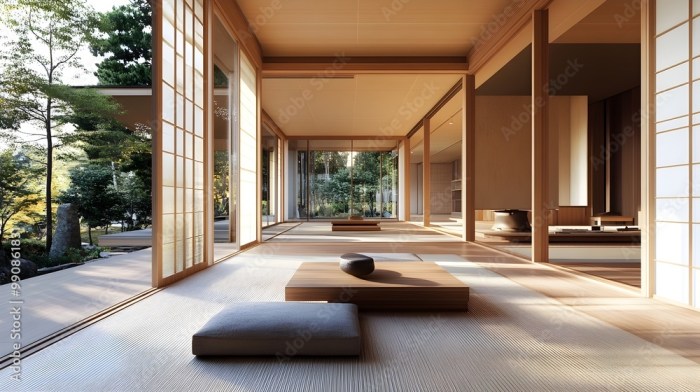
The open concept design, a hallmark of modern living, finds varied interpretations across cultures. Japanese open concept homes, deeply rooted in traditional aesthetics and spatial philosophies, often differ significantly from their Western counterparts. These differences stem from contrasting cultural values, architectural traditions, and functional priorities.Western open concept designs often prioritize maximizing space and creating a seamless flow between living areas.
Japanese open concept homes, however, prioritize creating distinct zones while maintaining a sense of calm and harmony. This divergence reflects fundamental differences in cultural values and approaches to interior design.
Design Philosophies and Principles
Japanese design principles, deeply rooted in Zen Buddhism and Shinto, emphasize a balance between nature and human life. Open concept homes in Japan often incorporate principles of wabi-sabi, a philosophy that embraces imperfection and impermanence. This is reflected in the natural materials, simple forms, and mindful use of space. In contrast, Western open concept designs often prioritize a sense of grandeur and expansiveness, often achieved through large windows and minimalist furniture.
Cultural Context and Aesthetics
The cultural context significantly influences the aesthetic and functional aspects of open concept designs. Japanese homes prioritize privacy and intimacy, even within open spaces. Sliding shoji screens, for example, can subtly divide areas while maintaining a sense of openness. Western designs, on the other hand, often favor a more maximalist approach, using expansive spaces to display larger furniture collections and decorative elements.
This difference highlights how cultural norms shape both the spatial arrangement and the overall aesthetic.
Adapting Western Open Concept Ideas for Japanese Design
Integrating Western open concept ideas into a Japanese design requires careful consideration of traditional principles. Instead of prioritizing expansive spaces, designers can focus on creating intimate zones within a larger space, using screens or carefully selected furniture to delineate areas. Employing natural light and ventilation, a hallmark of Japanese architecture, can enhance the sense of harmony and connection to the outside world.
The use of natural materials like bamboo, wood, and stone can create a seamless transition between indoor and outdoor spaces. Employing the philosophy of wabi-sabi in a modern context can create a design that acknowledges both the traditional and contemporary elements. For example, integrating minimalist furniture pieces, with carefully selected materials, can maintain a sense of calm and balance within the open space.
Examples of Adaptation
A Japanese-inspired home with an open concept could use a large, open-plan living area, but instead of a large, single sofa, smaller, comfortable seating groups, separated by low, wooden screens, could be strategically placed to encourage conversation and create distinct seating areas. Integrating a traditional Japanese garden or a zen-like patio space within the open plan can further reinforce the connection to nature and traditional design principles.
Large, unobstructed windows to allow ample natural light and a sense of openness to the outdoors would complement the Japanese design philosophy, while carefully selected lighting can enhance the mood and atmosphere of the space.
Interior Design Ideas
Japanese aesthetics, deeply rooted in minimalism and natural harmony, lend themselves beautifully to open-concept living spaces. This approach emphasizes clean lines, natural light, and the seamless integration of indoor and outdoor environments. Innovative interior design ideas can elevate these principles to create unique and inviting homes.Japanese open-concept design is less about creating a “western-style” home with Japanese touches, and more about translating core Japanese principles of space, light, and materiality into a modern context.
This means embracing the beauty of simplicity and the profound impact of thoughtful details.
Color Palettes and Textures
Japanese interiors often prioritize calming and neutral color palettes. Earthy tones, such as warm beiges, muted grays, and deep browns, are prevalent. These colors evoke a sense of serenity and tranquility, harmonizing with the natural surroundings. Wood tones, in various shades and finishes, are frequently used for flooring, cabinetry, and furniture, adding warmth and a connection to nature.
The use of natural materials like bamboo, rattan, or linen adds texture and depth to the space, creating a unique and inviting atmosphere. Visual examples could include a living room with light oak flooring, a muted gray sofa, and woven bamboo wall panels, all accented with muted beige and cream throws.
Furniture and Functionality
Furniture selection in open-concept Japanese homes emphasizes functionality and minimalism. Low-profile furniture pieces, often made of natural materials like wood or bamboo, are commonly chosen. Multi-functional furniture, such as ottomans that double as seating and storage, is another hallmark of Japanese design. These choices promote a sense of spaciousness and streamline the flow within the open plan.
Consider a minimalist dining table with a low profile, made of a dark-stained wood, that seamlessly integrates with the living space. A set of low, cushioned stools, upholstered in a natural linen, adds both seating and visual interest.
Spatial Organization and Flow
Open-concept Japanese homes prioritize a clear and intuitive flow between different living areas. Careful consideration is given to the placement of furniture, partitions, and other elements to ensure a seamless transition from one room to another. Shoji screens, a traditional Japanese element, can be used to define spaces subtly without obstructing the flow of natural light. Consider a large, open-plan living space with sliding doors to the garden.
This seamlessly connects the indoor and outdoor spaces, emphasizing the harmony of nature and interior design. The space is organized with a low coffee table that separates the living and dining areas, and a sliding shoji screen in a muted color, visually dividing the kitchen area from the main living space.
Lighting and Ventilation
Maximizing natural light is crucial in Japanese interior design. Large windows and strategically placed mirrors can amplify the light within the space. The use of natural ventilation, such as open windows or sliding doors, is also important for creating a healthy and comfortable environment. Consider a kitchen with large windows, maximizing natural light, and an open-plan layout that allows for easy airflow and ventilation.
A dining area adjacent to the kitchen, with a large window overlooking a garden, could maximize natural light and ventilation.
Integrating Technology
Japanese design often seamlessly integrates technology into the home, using minimalist and discreet approaches. Hidden or integrated speakers and displays, as well as smart lighting systems, can maintain the aesthetic integrity of the space while providing modern conveniences. Consider a home entertainment center with a hidden television, integrated speakers, and a concealed storage unit, seamlessly blending modern technology with traditional Japanese design elements.
This would provide the desired entertainment without compromising the minimalist aesthetic.
Last Recap
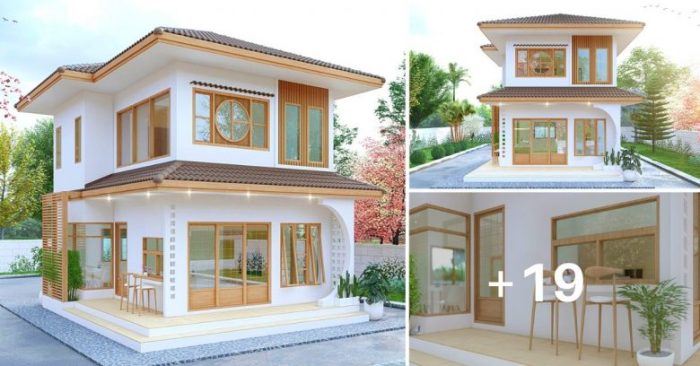
In conclusion, Japanese open-concept homes represent a harmonious fusion of cultural heritage and contemporary design. Their emphasis on minimalism, natural light, and mindful material selection creates a unique living experience that transcends mere aesthetics. By understanding these principles, we can appreciate the profound impact of cultural context on architectural design and gain valuable insights for adapting these principles to other styles.
