
Crystal chandeliers, glittering symbols of opulence, have graced homes and public spaces for centuries. From intricate Baroque designs to modern interpretations, these dazzling fixtures have evolved alongside societal shifts, reflecting the changing tastes and technological advancements of each era. Their captivating interplay of light and shadow, combined with the artistry of their construction, has cemented their position as iconic design elements.
This comprehensive exploration delves into the rich history, design elements, and manufacturing processes behind these magnificent fixtures. We’ll trace the evolution of crystal chandelier design, examining the materials, craftsmanship, and social significance associated with each period. Understanding their impact on interior design, lighting effects, and the overall ambiance they create is key to appreciating their enduring appeal.
Historical Context
Crystal chandeliers, opulent fixtures that illuminate spaces with dazzling brilliance, have a rich history intertwined with shifting artistic trends, technological advancements, and societal values. Their evolution reflects not only aesthetic preferences but also the economic and cultural landscapes of different eras. From humble beginnings to elaborate masterpieces, the journey of the crystal chandelier reveals a fascinating narrative of craftsmanship and design.
Chronological Overview of Design
Crystal chandeliers have undergone a remarkable transformation over centuries, adapting to the prevailing aesthetic sensibilities of each era. The initial designs, often simpler and more functional, gradually evolved into intricate and elaborate pieces reflecting the growing opulence and sophistication of societies. The Renaissance saw the emergence of elaborate designs, followed by the Baroque period’s grandeur and the subsequent Art Nouveau and Art Deco movements, each leaving a distinct mark on chandelier design.
Evolution of Materials and Manufacturing
The materials used in crystal chandelier production have significantly evolved. Early chandeliers often employed materials like glass, bronze, and metal, while the rise of crystal manufacturing techniques led to the use of lead crystal, characterized by its clarity and brilliance. This evolution not only enhanced the aesthetic appeal but also improved the durability and longevity of the chandeliers.
Advanced cutting techniques and intricate designs became hallmarks of the crystal chandelier’s development.
Social and Cultural Significance
Crystal chandeliers served as more than mere decorative elements. They were powerful symbols of wealth, status, and sophistication, signifying the owner’s position within society. The intricate craftsmanship and radiant beauty of these fixtures reflected the cultural values of the era, becoming a focal point of social gatherings and displays of opulence. Different periods witnessed variations in the social implications of owning and displaying crystal chandeliers.
Table: Crystal Chandelier Evolution
| Period | Key Features | Materials | Social Significance |
|---|---|---|---|
| Medieval (c. 1100-1400) | Simple, functional designs using glass and metal. Often suspended from chains or rods. | Glass, metal (bronze, iron) | Signified wealth and status, but on a more limited scale. |
| Renaissance (c. 1400-1600) | Elaborate designs with multiple arms, intricate patterns, and the use of more decorative materials. | Glass, metal (bronze, brass), possibly early forms of cut glass. | Reflecting the burgeoning artistic and economic power of the era, ownership displayed wealth and taste. |
| Baroque (c. 1600-1750) | Exaggerated ornamentation, dramatic curves, and large sizes. Often featuring multiple tiers and intricate details. | Lead crystal, ornate metalwork (gold, silver, brass), glass. | Symbol of aristocratic power and extravagance, highlighting the opulence of the era’s wealthy. |
| Art Nouveau (c. 1890-1910) | Curvilinear designs, floral motifs, and organic forms. | Lead crystal, intricately cut glass, wrought iron. | Reflecting a rejection of rigid classicism, chandeliers became more decorative and expressive of the era’s aesthetic sensibilities. |
| Art Deco (c. 1920-1930) | Geometric patterns, sleek lines, and streamlined forms. | Lead crystal, chrome, brass. | Reflecting the modern and progressive aesthetic of the period, showcasing a move away from ornate embellishments. |
Design Elements
Crystal chandeliers, more than mere lighting fixtures, are intricate works of art, their aesthetic appeal deeply rooted in meticulously crafted design elements. From the delicate dance of light refracting through facets to the grandeur of their overall form, these fixtures capture the imagination and elevate any space they adorn. Their enduring popularity stems from a harmonious blend of artistry and functionality, creating captivating visual experiences.The allure of a crystal chandelier often hinges on the masterful interplay of size, shape, and ornamentation.
The scale of the fixture can dramatically alter the atmosphere of a room. A diminutive chandelier, perhaps crafted with exquisite detail, can add a touch of elegance to a smaller space, while a larger, more elaborate piece can command attention in a grand hall. Shape, whether a classic teardrop, a modern geometric design, or a more ornate floral pattern, plays a crucial role in defining the chandelier’s character and style.
The embellishments, be they intricate carvings, sculpted figures, or glittering embellishments, further enhance the visual narrative.
Size and Shape
The size of a crystal chandelier profoundly impacts the overall aesthetic. A large chandelier, often spanning several feet, can dominate a space, drawing attention and creating a sense of grandeur. Conversely, a smaller, more compact chandelier might be better suited to a smaller room, allowing the space to breathe and maintaining a sense of proportion. Shape also plays a critical role.
Classic teardrop shapes, for example, evoke a sense of elegance and tradition, while modern geometric forms offer a more contemporary aesthetic. The choice of shape directly reflects the desired style and the overall ambience of the room.
Lighting Effects
The captivating brilliance of a crystal chandelier is intrinsically linked to the way light interacts with the numerous facets of the crystals. Refraction, the bending of light as it passes through the crystal, creates a dazzling display of sparkling reflections, casting a mesmerizing play of light across the room. Diffusion, the scattering of light, softens the intensity of the light source, creating a more ambient and welcoming glow.
These lighting effects, in concert, contribute significantly to the overall beauty and ambiance of the space.
Crystal Cuts
Different crystal cuts yield distinct visual impacts. Faceted cuts, with their multitude of precisely shaped facets, create an abundance of reflections and refractions, maximizing the chandelier’s sparkle and brilliance. For instance, a “faceted” cut, featuring precisely angled facets, results in a more intense light dispersion, creating a dazzling visual effect. A “rose” cut, characterized by its rounded, more organic facets, produces a softer, more diffused glow.
The selection of crystal cut is pivotal in defining the chandelier’s overall visual impact.
Design Element Analysis
| Design Element | Description | Visual Impact | Examples |
|---|---|---|---|
| Size | Dimensions of the chandelier | Large chandeliers create grandeur, small ones offer intimacy | Large, multi-tiered chandeliers in grand ballrooms; smaller, single-tier chandeliers for dining rooms |
| Shape | Form of the chandelier | Shapes influence style (e.g., classic teardrop vs. modern geometric) | Teardrop-shaped chandeliers in Victorian-era homes; geometric chandeliers in contemporary spaces |
| Ornamentation | Embellishments on the chandelier | Adds detail and visual richness | Chandeliers with intricate carvings, sculpted figures, or elaborate floral designs |
| Crystal Cuts | Shape and facets of the crystals | Impacts the intensity and diffusion of light | Faceted cuts for intense sparkle; rose cuts for softer illumination |
Manufacturing Processes
From intricate designs to shimmering facets, the creation of a crystal chandelier is a complex process, demanding precision, artistry, and a deep understanding of materials. The manufacturing journey often involves multiple stages, each crucial to achieving the final, breathtaking spectacle. These processes highlight the enduring craftsmanship and artistry that go into every piece.The manufacturing of crystal chandeliers, much like other luxury goods, often requires a combination of advanced technology and traditional techniques.
This intricate interplay ensures the quality and beauty of the final product. The artistry of the craftsman is paramount, ensuring the desired aesthetic and functionality.
Initial Design and Planning
The creation of a crystal chandelier begins with meticulous design. This involves a 3D rendering of the intended structure, taking into account the desired size, shape, and overall aesthetic. The design phase also incorporates calculations for structural integrity and weight distribution, ensuring the chandelier can withstand its intended use. These considerations are critical to avoid potential issues during installation and operation.
Crystal Cutting and Shaping
The cutting and shaping of crystal are crucial steps in the manufacturing process. The skilled artisans employ various techniques, each contributing to the unique beauty of the final product. Different cuts, like facets and bevels, create captivating light reflections, while precision in shaping ensures the structural integrity and desired aesthetics.
- Precision Cutting: Specialized machinery, often incorporating diamond-tipped tools, meticulously carves the crystal into the desired shape. These tools are essential to achieve the exact contours and intricate designs, allowing for consistent results and preventing damage to the crystal.
- Facet Creation: Facet cutting involves creating precisely shaped facets on the crystal’s surface. These facets, which can range from simple to complex designs, are responsible for the chandelier’s characteristic brilliance and dazzling light reflections.
- Beveling: Beveling adds a subtle, polished edge to the crystal pieces, further enhancing the overall aesthetic appeal. The degree of beveling and its precision contribute significantly to the chandelier’s visual sophistication.
Assembly and Finishing
The assembly process involves carefully joining the individual crystal elements to create the chandelier’s intricate structure. The assembly process is painstaking and requires precise alignment to ensure structural stability and aesthetic harmony. Quality control measures are crucial to maintain consistency and high standards throughout the entire process.
- Component Attachment: Each crystal piece is meticulously attached to the underlying metal frame or structure, using specialized adhesives or mechanical fasteners. The precise placement of each component is crucial for both structural integrity and visual appeal.
- Wiring and Electrical Connections: Electrical components, including wiring and light sources, are carefully integrated into the structure. The wiring must be concealed and the connections secure to prevent any electrical hazards or aesthetic disruptions.
- Finishing Touches: Once the assembly is complete, the chandelier is polished and inspected to ensure its flawless condition. Any imperfections are rectified, and the final touch is applied to ensure the chandelier’s readiness for installation and use.
Role of Skilled Artisans
Skilled artisans and craftsmen play a vital role in the entire manufacturing process. Their expertise is essential for achieving the desired quality, precision, and artistry in each step. From the initial design to the final assembly, their meticulous work ensures the creation of a unique and high-quality piece.
- Crystal Cutting Experts: Crystal cutters possess extensive knowledge of the materials and techniques involved in cutting and shaping crystals. Their expertise ensures precision and consistency in each cut, creating the desired sparkle and brilliance.
- Assembly Specialists: These artisans are responsible for the careful joining of the individual crystal elements to form the chandelier. Their precision and attention to detail are crucial to maintaining the integrity and aesthetics of the piece.
- Quality Control Personnel: They ensure every stage of the manufacturing process meets the highest standards of quality and craftsmanship, safeguarding the reputation and prestige of the product.
Types of Crystal Chandeliers
Crystal chandeliers, transcending mere illumination, serve as architectural statements. Their intricate designs and dazzling sparkle have captivated homeowners and interior designers for centuries. Beyond their aesthetic appeal, the choice of chandelier type hinges on factors like the desired ambiance, room size, and the overall architectural style. This categorization allows for informed selection, ensuring the chandelier harmonizes seamlessly with the intended space.
Classifying Crystal Chandelier Types
Crystal chandeliers exhibit a wide spectrum of styles, each with its own unique characteristics. Categorizing these styles based on design, size, and intended use provides a framework for understanding their diverse applications. This analysis explores the distinguishing features of vintage, contemporary, and modern chandeliers, showcasing how design choices influence their function.
Vintage Chandeliers
Vintage crystal chandeliers often boast elaborate, ornate designs. Their craftsmanship reflects the decorative trends of their era, with meticulous details and intricate patterns. These chandeliers typically feature a substantial size, enhancing their presence in a room. Their use is often to complement historical or traditional settings.
Contemporary Chandeliers
Contemporary crystal chandeliers typically feature clean lines and minimalist designs. They prioritize modern aesthetics, emphasizing simplicity and elegance. Their size can vary from compact to expansive, depending on the specific design and the desired impact. Contemporary chandeliers are often selected to complement contemporary or transitional interior designs.
Modern Chandeliers
Modern crystal chandeliers showcase sleek and geometric forms, often incorporating innovative materials and lighting techniques. Their size and shape are often unconventional, with a focus on geometric or abstract elements. These chandeliers are frequently chosen for contemporary spaces seeking a touch of modern luxury.
Comparison Table
| Type | Key Features | Size/Scale | Use Cases |
|---|---|---|---|
| Vintage | Ornate designs, intricate patterns, high craftsmanship, often large in scale | Large, substantial | Formal dining rooms, historical homes, traditional interiors |
| Contemporary | Clean lines, minimalist designs, emphasis on simplicity, various sizes | Compact to expansive | Modern homes, transitional spaces, areas needing a sleek aesthetic |
| Modern | Sleek forms, geometric or abstract elements, innovative materials, unconventional shapes | Variable, often unconventional | Contemporary homes, spaces requiring a bold statement, interiors with a focus on geometric or abstract elements |
Materials and Construction
Crystal chandeliers, renowned for their opulent beauty, are more than just shimmering prisms of light. Their intricate designs and enduring allure are underpinned by a sophisticated interplay of materials and a meticulous construction process. Beyond the captivating crystal, a network of carefully chosen and expertly crafted components ensures both aesthetic appeal and structural integrity.The structural integrity of a crystal chandelier is paramount.
The weight of the numerous crystal elements, often suspended high above, demands robust support systems. Consequently, the selection of materials and their implementation during construction are critical to the chandelier’s long-term performance and safety. A strong and stable framework, paired with resilient fixing points, prevents catastrophic failure and ensures the chandelier’s longevity.
Types of Materials Beyond Crystal
The dazzling display of crystal is undeniably the star of the show, but it’s the supporting cast of materials that provides the structure and ensures the chandelier’s durability. These supporting elements are often made of metals with specific properties tailored to the chandelier’s design and the intended load.
Structural Components and Their Role
The framework of a crystal chandelier is often a complex network of meticulously designed components. The metal framework, usually fabricated from materials like brass, iron, or steel, acts as the skeleton supporting the crystal. The choice of metal significantly influences the chandelier’s aesthetic, durability, and the overall weight capacity. Precision in welding, soldering, or other joining techniques is essential to ensure stability and prevent the entire structure from collapsing under the chandelier’s weight.
Furthermore, suspension systems, typically made from sturdy wires or cables, play a vital role in connecting the framework to the ceiling. These systems must be strong enough to support the considerable weight of the crystal, ensuring the chandelier remains safely suspended.
Importance of Quality Materials and Craftsmanship
Quality materials and skilled craftsmanship are inextricably linked to the chandelier’s longevity and the preservation of its aesthetic integrity. The durability of the materials used is crucial, particularly for chandeliers destined for high-traffic environments. High-quality materials and precise construction methods contribute to a product’s resistance to damage from environmental factors like humidity or temperature fluctuations. Expert craftsmanship ensures a tight and secure fit between the various components, mitigating the risk of breakage or loosening over time.
This dedication to quality is essential in achieving a chandelier that stands the test of time, both aesthetically and structurally.
Material Specifications
| Material | Description | Properties | Use Cases |
|---|---|---|---|
| Brass | A yellowish-brown alloy of copper and zinc. | Durable, resistant to corrosion, readily worked, relatively lightweight. | Framework, decorative elements, fasteners. |
| Iron | A metallic element, often used in its various alloy forms. | Strong, durable, readily available, can be treated for enhanced corrosion resistance. | Framework, structural components, decorative elements. |
| Steel | An alloy of iron and carbon. | Extremely strong, durable, corrosion-resistant with proper coatings. | Heavy-duty framework, structural components, often used in modern designs. |
| Crystal (various types) | Processed quartz, often lead-based. | Transparent, refractive, heavy, prone to breakage when not handled with care. | Decorative elements, light dispersion, aesthetic appeal. |
Lighting Effects and Applications
Crystal chandeliers, far from mere decorative elements, significantly impact the ambiance and functionality of a space. Their intricate designs and carefully chosen materials orchestrate a captivating interplay of light and shadow, transforming rooms into captivating displays. Beyond aesthetics, these luminous fixtures play a crucial role in shaping the overall experience, whether in a grand ballroom or a cozy living room.The luminous brilliance of a crystal chandelier is not solely determined by the fixture itself.
The light source, whether incandescent, halogen, LED, or fluorescent, significantly alters the chandelier’s visual impact. Incandescent bulbs, for example, produce a warm, inviting glow, while LEDs offer a cooler, more contemporary aesthetic. The wattage of the bulb also affects the chandelier’s overall illumination, and choosing the correct wattage is essential for both visual appeal and safety.
Impact on Room Lighting
Crystal chandeliers, due to their inherent reflective properties, amplify and redistribute light throughout a room. This diffused illumination creates a warm, inviting ambiance, particularly in spaces lacking ample natural light. The intricate facets of the crystals act as miniature prisms, refracting and scattering light in a dazzling display, casting sparkling highlights across surfaces. This effect can transform a simple room into a captivating spectacle.
This effect is especially pronounced in large spaces, such as grand ballrooms or high-ceilinged dining rooms, where the chandeliers act as focal points.
Light Source and Bulb Types
The selection of light sources directly influences the overall experience of a crystal chandelier. Incandescent bulbs, known for their warm, golden hue, produce a soft, diffused light, perfect for creating a cozy atmosphere. Halogen bulbs, with their brighter output, are suitable for rooms requiring more focused illumination, such as kitchens or study areas. LED bulbs, with their energy efficiency and diverse color temperatures, offer a versatile option, adaptable to a wide range of aesthetic preferences and functionality needs.
Chandeliers in Different Settings
Crystal chandeliers are adaptable to diverse settings, seamlessly integrating into various architectural styles and functional requirements. In residential settings, they can be a focal point in dining rooms, adding a touch of elegance and grandeur. In upscale restaurants, crystal chandeliers elevate the dining experience, creating a sophisticated ambiance and drawing the eye to the centerpiece. Hotels, particularly in lobbies and ballrooms, frequently utilize these fixtures to establish a grand presence and set a tone of luxury and sophistication.
The size and style of the chandelier are crucial in these settings; a large, ornate chandelier in a small room might feel overwhelming, while a delicate fixture in a vast space may not have the desired impact.
Size and Style Impact on Lighting Needs
The size and style of a crystal chandelier directly affect the lighting needs of the room. A large chandelier with numerous crystals will provide more illumination than a smaller, simpler fixture. The style also influences the light distribution. For instance, a chandelier with a wide, open structure will distribute light more broadly, while a chandelier with a more enclosed design might concentrate light in a particular area.
The height of the room and the size of the space are also key considerations when selecting a chandelier, as these factors will influence the intensity and distribution of the light.
Maintenance and Care
Crystal chandeliers, exquisite works of art, require diligent upkeep to preserve their brilliance and longevity. Neglect can lead to tarnished facets and chipped crystals, diminishing their aesthetic appeal and potentially compromising structural integrity. Proper cleaning and maintenance routines are essential for preserving these magnificent fixtures.Maintaining a crystal chandelier’s pristine condition is a multifaceted process. It involves more than just a quick wipe-down.
A comprehensive approach, encompassing regular cleaning and preventative measures, is crucial to prolong the chandelier’s lifespan and uphold its historical and artistic value.
Cleaning Crystal Chandeliers: A Step-by-Step Guide
Regular cleaning is key to maintaining a crystal chandelier’s splendor. Dust, airborne particles, and even humidity can dull the brilliance of the crystals over time. A consistent cleaning schedule prevents the accumulation of these elements, preserving the chandelier’s visual appeal.
- Assessment and Preparation: Before initiating any cleaning process, carefully evaluate the chandelier’s structure. Identify any delicate or fragile components that might be susceptible to damage during cleaning. Gather necessary supplies, including a soft-bristled brush, a microfiber cloth, a gentle cleaning solution (e.g., a mixture of warm water and mild dish soap), a ladder or step stool for elevated access, and gloves to protect your hands.
Turn off the power supply to the chandelier to prevent electrical hazards.
- Gentle Dusting: Use a soft-bristled brush to remove loose dust and debris from the crystals and other parts of the chandelier. Work systematically, ensuring every facet is addressed. Avoid using abrasive materials that could scratch the crystal’s surface. A soft-bristled brush or a vacuum cleaner with a soft attachment can be useful.
- Crystal Cleaning: Create a cleaning solution by mixing a small amount of mild dish soap with warm water. Dip a microfiber cloth into the solution, wring it out thoroughly, and gently wipe each crystal. Avoid applying excessive pressure to prevent damage. Focus on the facets to restore their brilliance.
- Drying and Polishing: After cleaning each crystal, use a separate, clean, dry microfiber cloth to thoroughly dry the surface. This prevents water spots and ensures a streak-free finish. Consider using a polishing cloth designed for crystal to further enhance its shine.
- Thorough Inspection: After completing the cleaning process, carefully inspect the chandelier for any signs of damage, such as loose crystals or cracks. Address any issues immediately to prevent further deterioration. Ensure all parts are securely fastened.
- Reassembly: Once the cleaning is complete and the chandelier is thoroughly dried, carefully reassemble it. Ensure that all components are correctly positioned and secure.
- Preventative Maintenance: Regular cleaning, as described, is essential to maintain the chandelier’s pristine condition. Consider additional preventative measures such as using humidity control in the environment or covering the chandelier during construction or renovation activities.
Importance of Regular Maintenance
Regular maintenance of crystal chandeliers is paramount to preserving their aesthetic value and longevity. A neglected chandelier can suffer from damage, loss of shine, and structural issues over time. The beauty and intricate craftsmanship of a crystal chandelier can be diminished by the accumulation of dust, grime, and other environmental elements. This is not only a matter of aesthetics but also an acknowledgement of the value and care invested in the fixture.
Cost and Value
Crystal chandeliers, often dazzling displays of artistry and opulence, command a wide range of prices. Understanding the factors driving these costs is crucial for both buyers and sellers, allowing for informed decisions based on the true value of these intricate pieces. Beyond the shimmering surface, the value proposition hinges on the interplay of materials, craftsmanship, design complexity, and, importantly, the piece’s historical context and condition.Determining the worth of a crystal chandelier requires a nuanced understanding of its composition, the skill involved in its creation, and the overall aesthetic appeal it possesses.
This evaluation is further enhanced by considering its provenance and current market conditions. A chandelier crafted from high-quality crystal, exhibiting meticulous craftsmanship, and possessing a unique design will invariably command a higher price than a simpler, mass-produced model.
Factors Influencing Cost
The cost of a crystal chandelier is a multifaceted equation, with several key elements contributing to its overall price. These factors include the type and quality of the crystal used, the complexity of the design, the intricacy of the metalwork supporting the crystal, and the skill required in the manufacturing process. A chandelier featuring hand-cut, high-quality crystal, elaborate designs, and ornate metalwork will generally command a premium price.
Comparing Costs of Different Styles
The price range for crystal chandeliers spans a considerable spectrum. Simple, contemporary designs, often utilizing machine-cut crystal, may be priced comparatively lower than elaborate, antique styles or those boasting exceptional craftsmanship. A single-tier, modern chandelier might cost several thousand dollars, while a multi-tiered, antique example could fetch hundreds of thousands or even millions of dollars, depending on its age, condition, and provenance.
A notable example would be a meticulously crafted, antique French chandelier with hand-cut crystal, potentially valued at hundreds of thousands of dollars.
Assessing Value Based on Condition and Provenance
Provenance, or the history of ownership of a chandelier, significantly impacts its value. A chandelier with a documented lineage from a prominent historical figure or estate will command a higher price than an unmarked piece. Condition plays a crucial role too. A chandelier with minor imperfections or damage will likely command a lower price than one in pristine condition.
Restoration costs can also influence the overall valuation.
Table Comparing Cost and Value
| Factor | Low-Cost Chandelier | Mid-Range Chandelier | High-End Chandelier |
|---|---|---|---|
| Crystal Quality | Machine-cut, lower-grade crystal | Hand-cut, various crystal types | Hand-cut, exceptional quality crystal, potentially rare or antique varieties |
| Design Complexity | Simple, straightforward design | Moderate design elements, potentially some decorative details | Highly intricate, elaborate designs, unique shapes, and potentially historical motifs |
| Metalwork | Simple, basic metal framework | Ornate metalwork, possibly with intricate detailing | Exceptional metalwork, potentially gilded or embellished, highly detailed |
| Craftsmanship | Mass-produced, potentially with limited skill involved | Skilled craftsmanship, but not the highest level | Master craftsmanship, with a focus on precision and artistry |
| Provenance | No known provenance | Potentially some provenance information | Documented provenance, possibly from a notable historical figure or estate |
| Condition | Minor imperfections or damage | Generally in good condition | Pristine condition, exceptional preservation |
| Estimated Price | $2,000-$10,000 | $10,000-$100,000 | $100,000-$millions |
Modern Interpretations
Contemporary designers are breathing new life into the time-honored tradition of crystal chandeliers, reinterpreting their classic silhouettes with a contemporary sensibility. This evolution is marked by a departure from strict adherence to historical forms, embracing innovative materials and techniques to create pieces that are both visually striking and functionally advanced. The fusion of tradition and innovation results in luminaires that seamlessly integrate into modern interiors, reflecting a dynamic aesthetic.Modern crystal chandeliers often challenge conventional notions of opulence and grandeur.
Designers are exploring lighter, more ethereal forms, employing innovative techniques to achieve a delicate interplay of light and shadow. This departure from the weighty, elaborate designs of the past creates pieces that are more streamlined and adaptable to diverse architectural styles.
Reinterpreting Traditional Designs
Modern interpretations often incorporate geometric patterns, abstract forms, and asymmetrical arrangements, contrasting with the more symmetrical, often ornate structures of traditional designs. The focus shifts from elaborate embellishments to a cleaner aesthetic, emphasizing the intrinsic beauty of the crystal itself. This shift in emphasis is evident in the streamlined, almost minimalist designs found in many contemporary chandeliers. Instead of the weighty, baroque-inspired designs, we see an embrace of contemporary aesthetics.
New Materials and Techniques
Modern chandelier designs are pushing boundaries with the use of new materials and techniques. Beyond traditional crystal, designers are incorporating other materials like metal, wood, and even recycled glass. The application of these materials often involves innovative techniques, such as laser cutting and 3D printing, to achieve intricate shapes and textures. This allows for greater design flexibility and the creation of unique pieces.
For example, a chandelier might incorporate brass or copper accents, showcasing a contemporary sensibility that contrasts with the classic, transparent crystal. The incorporation of recycled glass fragments into the design not only offers a sustainable alternative but also creates a visually intriguing interplay of textures and colors.
Comparison of Modern and Traditional Chandeliers
| Feature | Traditional Chandelier | Modern Chandelier |
|---|---|---|
| Shape | Symmetrical, often ornate, often inspired by baroque or rococo styles. | Asymmetrical, geometric, or abstract; often featuring clean lines and streamlined forms. |
| Materials | Primarily lead crystal, often with gold or silver accents. | May incorporate lead crystal, but also utilizes other materials like metal, wood, or recycled glass. |
| Design Elements | Elaborate embellishments, intricate carvings, and extensive use of decorative elements. | Focuses on minimalism, emphasizing the beauty of the materials and form. Often less ornate, more streamlined. |
| Lighting Effects | Generates a diffused, warm, and often dramatic light. | May employ modern lighting technologies, such as LED lighting, to achieve specific effects, creating a more focused or directional light. |
| Installation | Often installed in grand rooms or spaces, reflecting a sense of grandeur. | Can be adapted for diverse spaces, from contemporary homes to industrial settings. |
Crystal Chandeliers in Interior Design
Crystal chandeliers, far from mere decorative elements, are potent tools in shaping ambiance and elevating the aesthetic of any space. Their intricate designs, shimmering facets, and often dramatic scale make them a powerful statement piece, capable of transforming a room from functional to extraordinary. Beyond their visual impact, they play a significant role in defining the overall mood and style of an interior.The ability of a crystal chandelier to create a specific ambiance is closely tied to its design and placement.
The interplay of light refracting through the myriad facets of the crystals produces a captivating spectacle, casting a warm, inviting glow on the surrounding environment. This light diffusion, along with the chandelier’s scale and design, can dramatically alter the perceived atmosphere, from intimate and cozy to grand and opulent.
Complementing Interior Design Styles
Crystal chandeliers, with their versatility, can harmoniously complement a wide range of interior design styles. Their timeless elegance transcends trends, making them adaptable to various aesthetics, from classic and traditional to contemporary and modern. The choice of chandelier style is crucial in ensuring a cohesive and visually appealing design.
Examples of Crystal Chandelier Integration
| Interior Style | Chandelier Style | Room | Visual Appeal |
|---|---|---|---|
| Classic Traditional | Ornate, multi-tiered with elaborate embellishments | Dining Room | Creates a sense of grandeur and formality, perfect for hosting elegant dinners. The intricate details and abundant light create a sophisticated atmosphere. |
| Modern Contemporary | Sleek, geometric designs with minimal embellishments, often featuring a modern color palette | Living Room | A modern chandelier can add a touch of elegance without sacrificing clean lines. The controlled light dispersion enhances the contemporary design’s aesthetic. |
| Rustic Farmhouse | Simple, yet elegant, often with a metal frame and fewer crystals, but with a rustic finish | Kitchen | Adds a touch of glamour without detracting from the warm, natural tones of the rustic design. The chandelier’s light contributes to a welcoming atmosphere in the kitchen. |
| Bohemian | Unique, handcrafted designs with a mix of textures and colors | Bedroom | Adds a touch of whimsy and personality. The chandelier’s varied crystal shapes and colors complement the eclectic mix of textures and patterns in the room. |
| Art Deco | Geometric shapes, often featuring mirrored or metallic elements | Entrance Hall | Creates a bold and sophisticated first impression. The dramatic lighting and striking design of the chandelier highlight the entrance hall’s grandeur. |
Environmental Impact
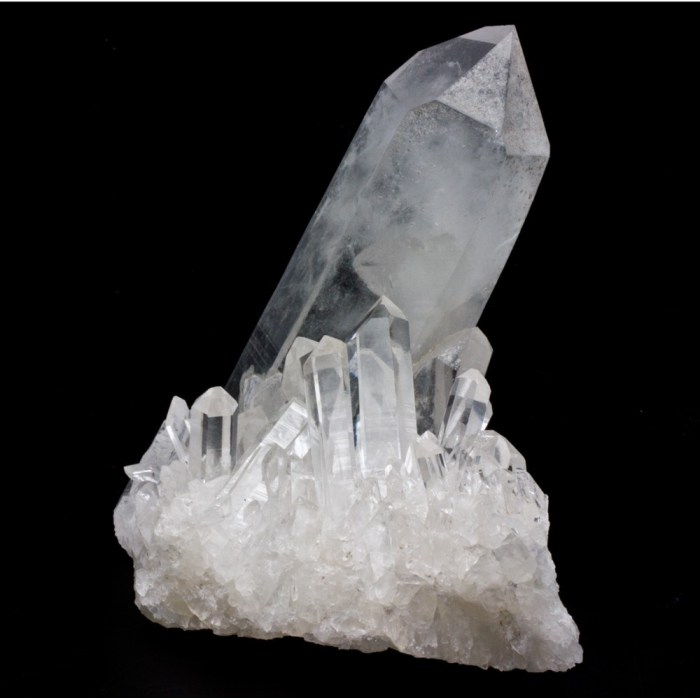
Crystal chandeliers, while undeniably elegant, often raise concerns about their environmental footprint. The production process, from sourcing raw materials to final assembly, can have significant impacts on ecosystems and resource consumption. Understanding these impacts and exploring sustainable alternatives are crucial for the future of this decorative art form.
Material Sourcing and Manufacturing Processes
The production of crystal chandeliers involves the extraction and processing of various materials, including lead crystal, which often requires considerable energy and can contribute to environmental pollution. The extraction of raw materials for crystal, such as quartz, can have localized impacts on landscapes and ecosystems. Manufacturing processes, such as glassblowing and polishing, also release emissions and potentially harmful byproducts into the atmosphere and water systems.
Sustainable Alternatives in Crystal Chandelier Production
Several sustainable alternatives and practices can mitigate the environmental impact of crystal chandelier production. Recycled materials, including post-consumer glass, can replace virgin materials, significantly reducing the environmental footprint. Innovative manufacturing processes that minimize energy consumption and waste generation are essential. The use of eco-friendly adhesives and coatings can further reduce harmful emissions during production. Implementing water-saving techniques in glassblowing and polishing processes can also be beneficial.
Environmentally Conscious Crystal Chandelier Designs
Sustainable design principles can be integrated into crystal chandelier designs to create a positive environmental impact. Reduced material usage, without compromising aesthetics, is a key principle. Using recycled or reclaimed materials can lend a unique character to the chandelier design. Employing lightweight, yet strong, alternative materials like recycled glass, or incorporating locally sourced natural elements like wood or bamboo can reduce the carbon footprint associated with transportation.
Transparency in the supply chain, including certifications and traceability of materials, can further enhance the sustainability of the product. For example, a chandelier featuring recycled glass from local bottle recycling programs, combined with locally sourced metal components and energy-efficient LED lighting, would be a step towards a more sustainable product.
Final Wrap-Up
In conclusion, crystal chandeliers represent more than just decorative lighting; they embody a captivating interplay of history, artistry, and technological innovation. From their intricate designs to the skilled craftsmanship involved in their creation, these fixtures have consistently captivated audiences. Their ability to transform spaces and evoke a sense of luxury and elegance continues to resonate today. Ultimately, the enduring allure of crystal chandeliers lies in their timeless beauty and the stories they tell.